


Why Are Lions Called the King of the Jungle? | Safari Secrets SS-005 |
 |
Itinerary |
The afternoon sun was beginning to soften over the Masai Mara. Our safari vehicle had stopped beside a rocky rise overlooking the grasslands. A group of lionesses rested beneath an acacia tree while several cubs played nearby. A large male sat slightly apart from the pride, watching the plains with an almost effortless confidence. One of our guests looked at him for several seconds before asking,
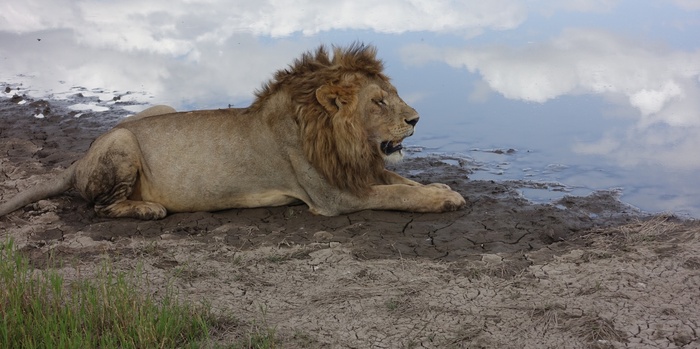
It was a simple question. But there was something fascinating about it. Because lions dont actually live in jungles. They live mostly across Africas grasslands, savannas, open woodlands and semi-arid landscapes. So how did a lion become known as the King of the Jungle? What Does "King of the Jungle" Actually Mean?The expression "King of the Jungle" is not a scientific title. It is a phrase that developed over centuries as humans came to associate lions with strength, courage, authority and leadership. Lions became powerful symbols in ancient cultures, royal traditions, art and literature. Their imposing appearance, distinctive mane and commanding behaviour made them natural symbols of power. The interesting part is that the title has survived even though the lions real home is usually far from a jungle. Why Does the Lion Look Like a King?Few animals have the presence of a mature male lion. His large head, muscular body and flowing mane create an unmistakable appearance. The mane also serves biological purposes. It can make a male appear larger and more intimidating during confrontations with rivals and may provide some protection around the head and neck during fights. The mane can also communicate information about the males maturity and condition. In other words, the lions famous "crown" is not simply decoration. It is part of his identity. The Real Power of the PrideA lions reputation for strength does not come only from the male. It comes from the pride. Lionesses cooperate in raising cubs, defending young and hunting. Males play an important role in defending the pride and its territory. Together, these relationships create one of the most complex social systems among large carnivores. The lion may appear to be a solitary symbol of power. But much of its success comes from cooperation. A King Without a KingdomDespite the famous title, lions do not rule the African wilderness. They share their habitat with elephants, buffalo, hippos, leopards, hyenas, wild dogs and countless other species. A buffalo can seriously injure a lion. A hyena clan can challenge a pride. An elephant is vastly larger and more powerful. There is no throne in the savanna. There is only survival. The lions "kingdom" is therefore not a literal kingdom. It is a human description of the extraordinary presence and influence this predator has within its ecosystem. FIELD NOTESWatching a lion pride in the Masai Mara can make the phrase "King of the Jungle" suddenly feel understandable. It may be a male standing proudly on a rocky outcrop. It may be a lioness leading the pride across the grasslands. Or it may simply be a group of lions resting beneath an acacia tree while the evening light turns the savanna gold. The longer you watch, the less important the title becomes. What stays with you is the presence of the animal. The silence around it. The way the pride moves together. And that unmistakable feeling that you are witnessing something ancient. Conservation CornerWild lions depend on large, connected landscapes with healthy prey populations and sufficient space to establish territories. Across Africa, habitat loss, human-wildlife conflict and declining natural prey continue to create challenges for lion populations. Protecting important ecosystems such as the Masai Mara and Serengeti is essential for maintaining viable lion populations and the wider wildlife communities that depend on these landscapes. Responsible tourism can also contribute by creating economic value for conservation and local communities. Continue Your Safari JourneyPublished Issues→ SS-002 – Why Do Lionesses Do Most of the Hunting? → SS-003 – Why Do Male Lions Have Manes? → SS-004 – How Does a Lion Pride Really Work? Next in the Series→ SS-006 – How Far Can a Lions Roar Be Heard? → SS-007 – How Do Lions Communicate? → SS-008 – Why Do Lions Sleep So Much? Experience It YourselfReading about why lions are called the King of the Jungle is fascinating. Standing quietly beside a safari vehicle as a pride moves through the golden grasslands is something else entirely. Join Adler Tours & Safaris Pvt. Ltd. on an unforgettable journey through Kenya, Tanzania, Uganda, or Southern Africa, where every safari offers a chance to witness natures greatest stories unfold before your eyes. East Africa Luxury Safari – Uganda, Kenya, Tanzania & Zanzibar (23 Days) |
| Share this tour package: |
|
||||
 |
||||
|
||||
|


