


Why Do Lionesses Do Most of the Hunting? | Safari Secrets SS-002 |
 |
Itinerary |
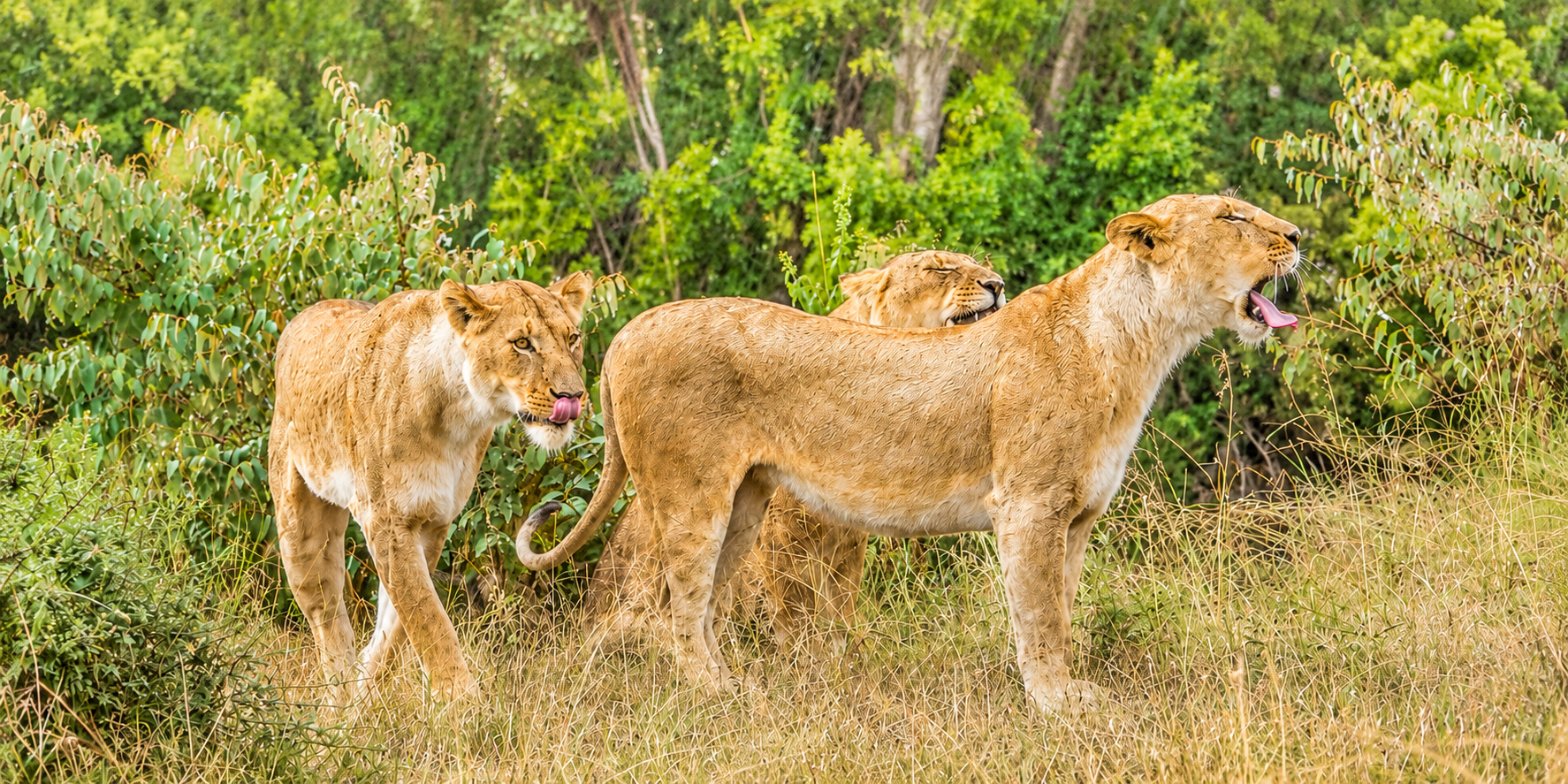
Before the Chase BeginsThe morning air in MasaiMara was cool. We had been following a pride of lions since sunrise and suddenly something changed. The lionesses, who had been resting quietly became alert. Without making any sound, one slowly slipped in the tall grass. Another circled wide and another remained almost motionless, her eyes fixed on a herd of grazing impalas some distance away. There was no roar. No sudden rush. Only patience. For a long time, they barely moved. This is when the question rised - "Why are all the females doing the hunting?" It is one of the questions we hear most often on safari—and one of the most fascinating stories in the African wilderness. Hunting Is About Strategy, Not StrengthWhen people picture lions, they often imagine the powerful male with his magnificent mane. In reality, the responsibility of feeding the pride rests largely with the lionesses. Unlike males, lionesses are lighter, faster and more agile. They can move silently through grasslands, working together with extraordinary precision to surround unsuspecting prey. Hunting is not simply about speed. It is about teamwork, communication and perfect timing. A Team That Knows Every RoleThe greatest strengths of lionesses is cooperation. During a hunt, each female instinctively takes on a different role. Few quietly approach from downwind, another waits to cut off escape route, others remain hidden until the perfect moment. This coordinated strategy dramatically improves their chances of success, especially when hunting larger animals such as zebra or wildebeest. Watching this unfold on safari feels like witnessing carefully rehearsed performance. Why Dont Male Lions Hunt as Often?This is perhaps the biggest misconception about lions. Male lions are fully capable hunters and do occasionally join hunts, particularly when targeting very large prey such as buffalo or giraffe, or when opportunities arise. However, their primary responsibilities are different. A dominant male protects the prides territory from rival males, defends cubs, and maintains the stability of the pride. These confrontations can be physically exhausting and dangerous. Lionesses have evolved to become exceptionally efficient hunters, allowing the pride to survive while males focus on protection. Nature has divided the responsibilities—not according to importance, but according to what gives the pride the greatest chance of survival. Lessons Passed from Mother to CubNo lion is born knowing how to hunt. Young cubs spend months observing experienced females before joining their first hunting attempts. At first, they simply follow. Later, they learn to stalk. Eventually, they discover how patience, silence and teamwork can succeed where strength alone cannot. Every successful hunt is also a lesson passed from one generation to the next. Field NotesMasai Mara National Reserve, Kenya One of the most remarkable things about watching lionesses hunt is not the chase itself—its the silence that comes before it. Guests generally expect dramatic action from the moment a pride is spotted. Sometimes we spend nearly long time watching lionesses carefully position themselves before a single movement is made. Whether the hunt succeeds or fails, those quiet moments often become the most memorable part of the experience, revealing the intelligence and discipline behind every attempt. Conservation CornerHealthy lion populations depend on healthy ecosystems. Every successful hunt begins with abundant prey, protected habitats and balanced wildlife populations. Conservation efforts across Africa help ensure that lion prides continue to thrive, allowing future generations to witness these extraordinary natural behaviours in the wild. Responsible tourism also plays an important role by supporting protected areas, local communities and long-term wildlife conservation. Continue Your Safari JourneyContinue exploring Safari Secrets: Coming Next: → SS-003 – Why Do Male Lions Have Manes? → SS-004 – How Does a Lion Pride Really Work? → SS-005 – Why Are Lions Called the King of the Jungle? Experience It YourselfReading about lionesses is fascinating. Watching them silently coordinate a hunt across the African savannah is an experience that no documentary can fully capture. At Adler Tours & Safaris, we design tailor-made wildlife journeys across Kenya, Tanzania, Uganda and Southern Africa, giving travellers the opportunity to witness authentic wildlife behaviour in its natural habitat. Whether your dream is to photograph the Big Five, follow the Great Migration or simply experience the magic of Africas wilderness, wed be delighted to help you plan your next safari. |
| Share this tour package: |
|
||||||||||||||||||
 |
||||||||||||||||||
|
||||||||||||||||||
|


