


Why Do Lions Roar? | Safari Secrets SS-001 |
 |
Itinerary |
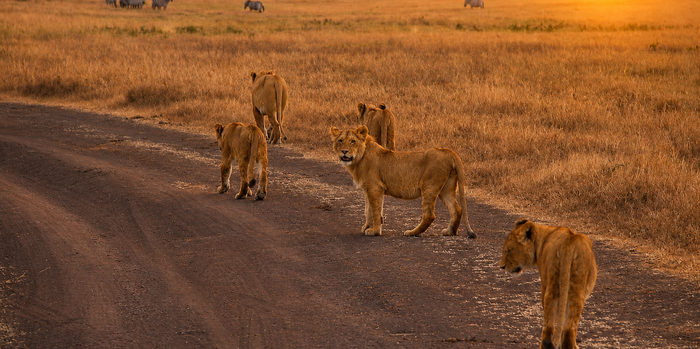
The golden African sun was slowly sinking below the horizon as our safari vehicle rolled gently across the open plains of the Masai Mara. A pride of lions rested beside the track, seemingly uninterested in the zebras grazing peacefully in the distance. Just as our guests lifted their cameras for one final photograph, the dominant male slowly stood, stretched his massive frame, raised his head towards the evening sky, and released a roar so deep that it seemed to vibrate through the ground beneath us. Nobody spoke. For a few unforgettable seconds, the entire savannah fell silent. It was a moment our guests would remember forever. But it also raised a fascinating question… Why do lions roar?To many first-time safari travellers, a lions roar is simply an unforgettable sound. In reality, it is one of the most sophisticated communication systems in the animal kingdom. Unlike most big cats, lions live in close-knit family groups known as prides. Keeping track of one another across vast open landscapes is essential, and roaring is one of the ways they stay connected. A roar can carry across valleys, rivers and grasslands, allowing pride members to communicate even when they are kilometres apart. Protecting Their KingdomOne of the primary reasons lions roar is to defend their territory. Every pride occupies a home range that provides food, water and shelter. When a dominant male roars, he is sending a powerful message to rival males: "This territory is already occupied." In many cases, this simple warning avoids dangerous fights that could leave both lions seriously injured. Nature has developed an incredibly effective system where a roar can settle disputes long before two lions ever meet. Calling the Family TogetherLionesses often spread out while hunting, sometimes covering several kilometres in search of prey. Once a hunt is complete—or when its time to regroup—the pride communicates through a series of calls, including roars. This helps mothers reunite with cubs, siblings locate one another, and the entire pride stay connected across the African plains. Why Do Lions Roar Mostly at Night?If youve ever stayed in a safari lodge, youve probably noticed that lions are most vocal after sunset and before sunrise. There are two simple reasons. Firstly, lions are naturally more active during the cooler hours of the day. Secondly, cool evening air allows sound waves to travel much farther than during the heat of the afternoon. This is why a roar heard from your campfire may actually come from a lion several kilometres away. The Sound You Dont Just Hear—You FeelScientists estimate that a lions roar can reach around 114 decibels, making it one of the loudest calls produced by any land mammal. At close range, the sound doesnt simply reach your ears. It vibrates through your chest. It is one of the very few wildlife experiences that people describe as both hearing and feeling at the same time. No documentary, television programme or social media video can truly recreate that sensation. From Adlers DeskOver the years, weve been fortunate to witness countless unforgettable wildlife moments across Kenya and Tanzania. Yet every safari reminds us that a lions roar never loses its magic. Whether its heard from the comfort of a safari lodge at dawn or while watching a pride from a respectful distance during an evening game drive, the roar instantly reminds you that you are standing in one of the worlds last truly wild places. For many of our guests, this becomes the single most memorable moment of their African journey
Experience It YourselfReading about a lions roar is fascinating. Hearing one beneath an African sunset is unforgettable. At Adler Tours & Safaris, weve spent years designing tailor-made safaris across Kenya, Tanzania, Uganda and Southern Africa, helping travellers experience authentic wildlife encounters with experienced naturalist guides. Whether youre dreaming of witnessing the Great Migration, photographing the Big Five, or simply hearing that unforgettable roar echo across the savannah, well help you create a safari thats designed around your interests. Explore our African Safari experiences and let your own wildlife story begin. 4N/5D Magical Kenya Safari Experience - Janmashtami Special
Field NotesMasai Mara National Reserve, Kenya "One thing we always tell our guests is not to judge a safari by the number of animals they see, but by the moments they experience. A lion roaring just once, as the sun sets over the savannah, is often remembered far longer than seeing hundreds of animals during the day." — Adler Tours & Safaris Continue Your Safari JourneyThis is just the beginning of our Safari Secrets series. Next Issues: → SS-002 – Why Do Lionesses Do Most of the Hunting? → SS-003 – Why Do Male Lions Have Manes? → SS-004 – How Does a Lion Pride Really Work? → SS-005 – Why Are Lions Called the King of the Jungle?
|
| Share this tour package: |
|
||||||||||||||||||
 |
||||||||||||||||||
|
||||||||||||||||||
|


