


Why Do Male Lions Have Manes? | Safari Secrets SS-003 |
 |
Itinerary |
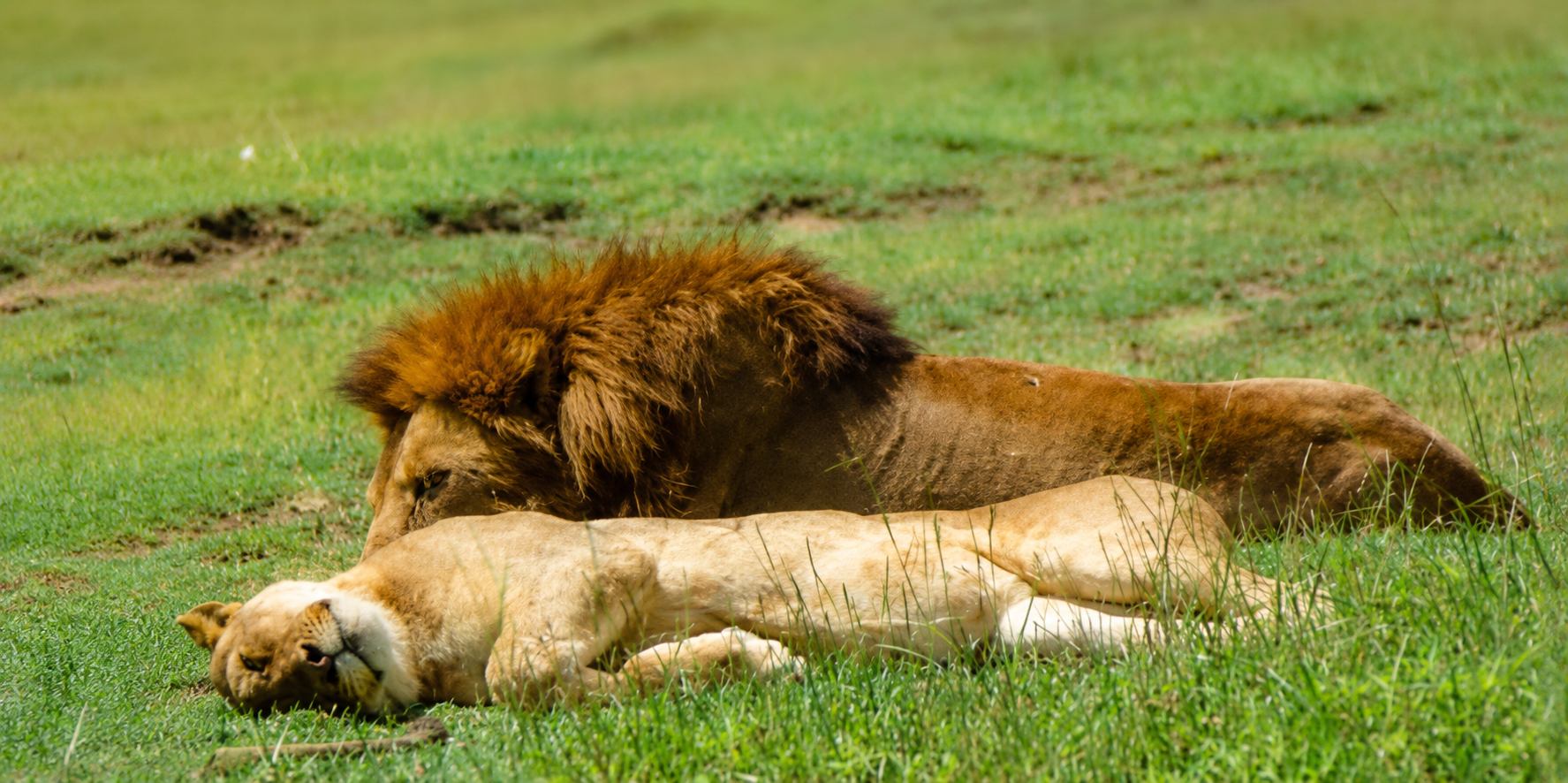
The King Needed No IntroductionIt was late afternoon in Kenyas Masai Mara. The golden grass stretched endlessly towards the horizon as our safari vehicle rounded a gentle bend. There, resting peacefully beside a dry riverbank, lay one of the largest male lions we had ever encountered. His enormous mane caught the evening light, glowing shades of gold, amber and dark brown. He looked almost regal. Completely relaxed. Unconcerned by our presence. The lionesses nearby occasionally glanced in his direction before returning to their own business, as if simply knowing he was there was enough. One of our guests quietly asked, "Why does he have such a huge mane while the females dont?" Its a question that almost every safari traveller wonders at some point. The answer reveals one of natures most remarkable evolutionary masterpieces. More Than Just a SymbolTo us, a lions mane looks majestic. To another lion, it tells an entire story. Before two males ever fight, they carefully assess each other. A thick, dark mane makes a lion appear larger, stronger and more intimidating than he actually is. Sometimes that impressive appearance alone is enough to discourage a challenger. In the wild, avoiding unnecessary fights can be just as important as winning them. Natures Protective ShieldTerritorial battles between male lions can be fierce. Powerful paws, sharp claws and strong jaws are all directed towards one of the bodys most vulnerable areas—the neck. A thick mane acts like natural padding, helping reduce the impact of bites and scratches during these confrontations. While it cannot prevent injury completely, it gives dominant males an important advantage when defending their pride. A Sign of Good HealthA lions mane is also an advertisement. Research has shown that females often favour males with darker, fuller manes because these traits can indicate maturity, good nutrition and strong genetics. A healthy mane suggests that the lion has survived years of competition and is capable of protecting both the pride and future cubs. In the animal kingdom, appearance often communicates information long before behaviour does. Not Every Lion Looks the SameOne fascinating discovery surprises many safari travellers. Lions living in different parts of Africa often have noticeably different manes. In cooler regions, males may develop thick, dark manes. In hotter climates, where carrying a heavy mane would increase body temperature, lions often have shorter, lighter manes. Nature constantly adapts to local conditions. Even among lions, there is no single standard. Growing Into the KingYoung male lions begin life looking very much like their sisters. Only after their first birthday does the mane begin to appear. Over the next several years, it gradually grows longer, darker and fuller. By the time a lion reaches full maturity, his mane has become a visual record of his life. Scars from battles. Sun-bleached patches. Dark streaks earned with age. Every mature male wears his own unique story. From Our Safari ArchivesMasai Mara National Reserve, Kenya One of the greatest privileges of leading safaris is watching guests see a fully mature male lion for the very first time. Almost everyone falls silent. It isnt because the lion is moving or roaring. In fact, he is usually doing very little. There is simply an unmistakable presence about him. His mane catches the breeze, his gaze scans the plains, and for a brief moment everyone understands why lions have inspired stories, cultures and legends for thousands of years. Sometimes, the quietest wildlife encounters leave the deepest impression. Conservation CornerThe magnificent mane of an African lion represents far more than individual beauty. Healthy male lions are essential for maintaining stable prides and balanced ecosystems. Protecting Africas wilderness ensures future generations can continue witnessing these extraordinary animals behaving naturally in the wild. Every responsible safari contributes to the long-term conservation of these remarkable landscapes and the communities that help protect them. Continue Your Safari JourneyThis article is part of our Safari Secrets series. Read Previous Issues → SS-002 – Why Do Lionesses Do Most of the Hunting? Coming Next → SS-004 – How Does a Lion Pride Really Work? → SS-005 – Why Are Lions Called the King of the Jungle? Every article builds on the previous one, helping you discover the fascinating world of African wildlife one story at a time. Experience It YourselfReading about a lions magnificent mane is fascinating. Standing just metres away from a dominant male as the evening sun lights up his golden crown is unforgettable. At Adler Tours & Safaris, we have spent years creating tailor-made safari journeys across Kenya, Tanzania, Uganda and Southern Africa, offering travellers the opportunity to witness extraordinary wildlife moments with experienced naturalist guides. Whether youre hoping to photograph a magnificent male lion, follow the Great Migration or simply experience Africas untamed beauty, well help you create a safari that becomes a story of your own. Your next great wildlife story could begin on the African savannah. |
| Share this tour package: |
|
||||||||||||||||||
 |
||||||||||||||||||
|
||||||||||||||||||
|


