


Where Is the Best Place to See the Great Wildebeest Migration? | Travel Smart - TS-002 |
 |
Itinerary |
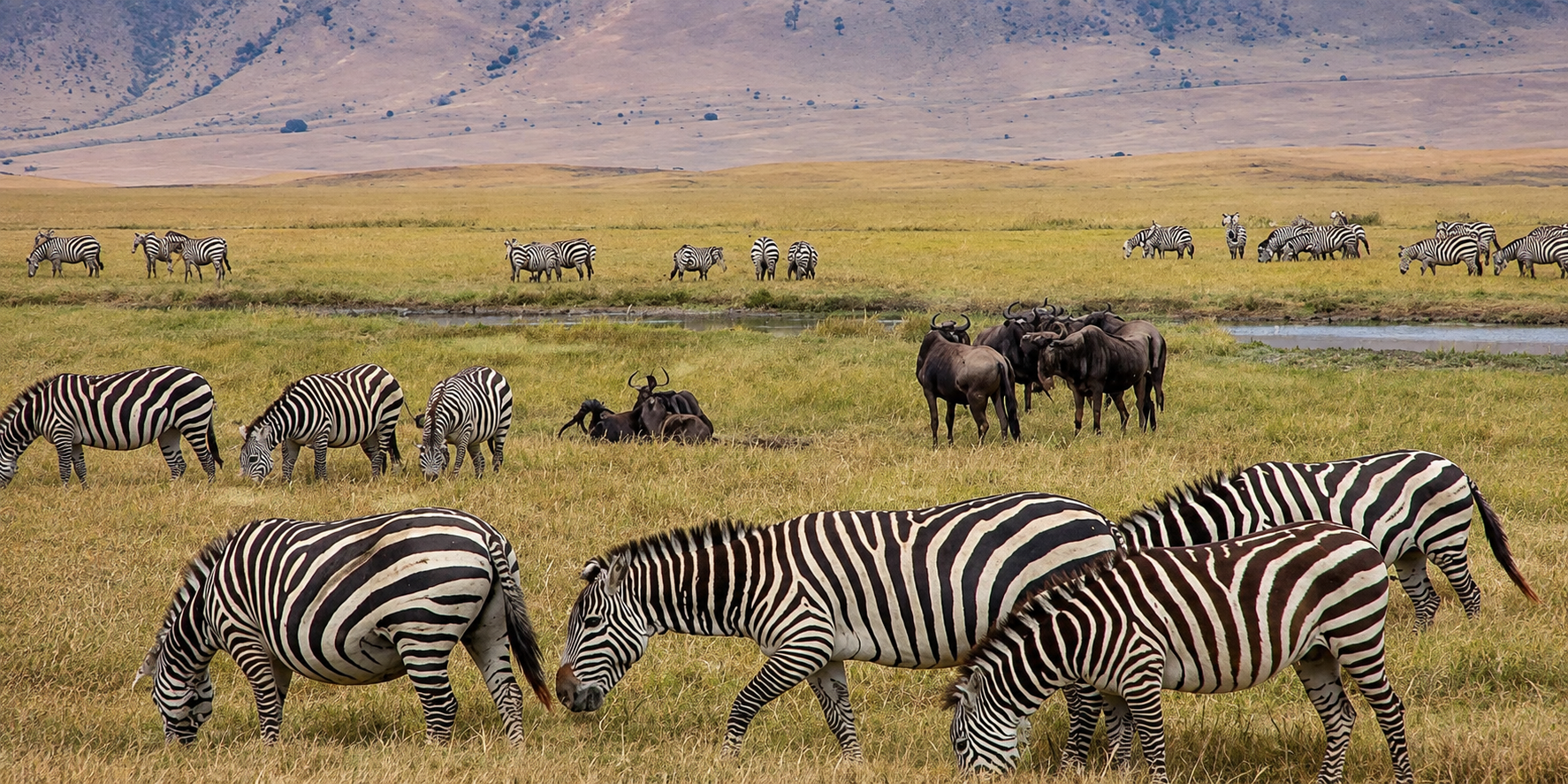
Kenya: The Masai MaraFor travellers wanting to experience the migration in Kenya, the Masai Mara is the natural choice. The main migration season in the Masai Mara is generally July to October, with August and September often associated with large concentrations of wildebeest and opportunities for Mara River crossings. But the Mara offers much more than the river. Wildebeest move across the open plains alongside zebra and gazelle, while predators such as lions, cheetahs and hyenas take advantage of the abundance of prey. Tanzania: The SerengetiThe Serengeti is central to the migration throughout much of the year. The southern Serengeti and Ndutu are particularly important during the calving season, while the northern Serengeti becomes significant as the herds move towards the Kenya–Tanzania border. During the migration season, the northern Serengeti also offers opportunities to experience the Mara River from the Tanzanian side. You dont have to be in Kenya to experience the Great Migration. What About the Mara River Crossings?For many travellers, witnessing thousands of wildebeest crossing the Mara River is the ultimate migration experience. But there is one important thing to remember: A river crossing can never be guaranteed. Herds may gather beside the river for hours before entering the water. They may hesitate, turn back, change direction or approach another section of the river. The animals respond to natural conditions and instinct—not to a safari itinerary. The best approach is therefore to plan around a migration window, rather than a particular day or crossing point. And remember: the migration is much more than a river crossing. Watching enormous herds move across the plains can be just as memorable. What to Look For Beyond the CrossingOnce the herds spread across the plains, the migration becomes a much broader wildlife experience. Look for:
Sometimes the most memorable migration experience happens away from the river. How to Choose Your SafariA successful migration safari is about more than choosing a famous destination. Choose the right region: Your travel dates should influence where you go. Allow enough time: Spending several nights in the right migration region gives you more opportunity to experience changing herd movements. Choose experienced guides: A knowledgeable guide reads tracks, recent sightings, herd movements, weather, terrain and animal behaviour to decide where to go. Stay flexible: The migration doesnt follow a script. Your safari should allow your guide to respond to what is actually happening in the wilderness. Kenya or Tanzania?There is no universal winner. Choose Kenya if:
Choose Tanzania if:
Consider both if you have enough time and want to experience different chapters of the same extraordinary natural phenomenon. After all:
A Special Note About River CrossingsDont book a safari based on a promise that you will see a Mara River crossing. Wildlife does not operate according to a timetable. The right region, the right season, enough time and an experienced guide will give you the best opportunity—but nature always has the final word. The Adler InsightThe Great Wildebeest Migration is often described through its most dramatic moment: thousands of animals plunging into the Mara River. But the river crossing is only one part of a much larger story. For some travellers, the highlight may be the first sight of an enormous herd stretching across the Masai Mara. For others, it may be watching newborn wildebeest in the southern Serengeti, or following predators among the migrating herds. The secret is not trying to predict exactly where the animals will be on one particular day. It is understanding the migration, choosing the right region for your travel dates, allowing enough time and travelling with guides who know how to read the wilderness. Plan intelligently. Leave room for nature to surprise you. Let the experts guide you Experience Classical Magical KenyaBefore You TravelThe Great Migration is a natural phenomenon, not a scheduled event. Choose your safari according to the season, region and experience you want, and allow enough time for nature to unfold. Why This MattersUnderstanding the seasonal movement of the herds helps you set realistic expectations and make a better decision about where to go, when to travel and how long to stay. Published Issues→ TS-001 - Finding Home Flavours in Japan | Travel Smart Next in The Adler JournalTravel Smart | TS-003 |
| Share this tour package: |
|
|||||||||||||||||
 |
|||||||||||||||||
|
|||||||||||||||||
|


