


Finding Home Flavours in Japan | Travel Smart - TS-001 |
 |
Itinerary |
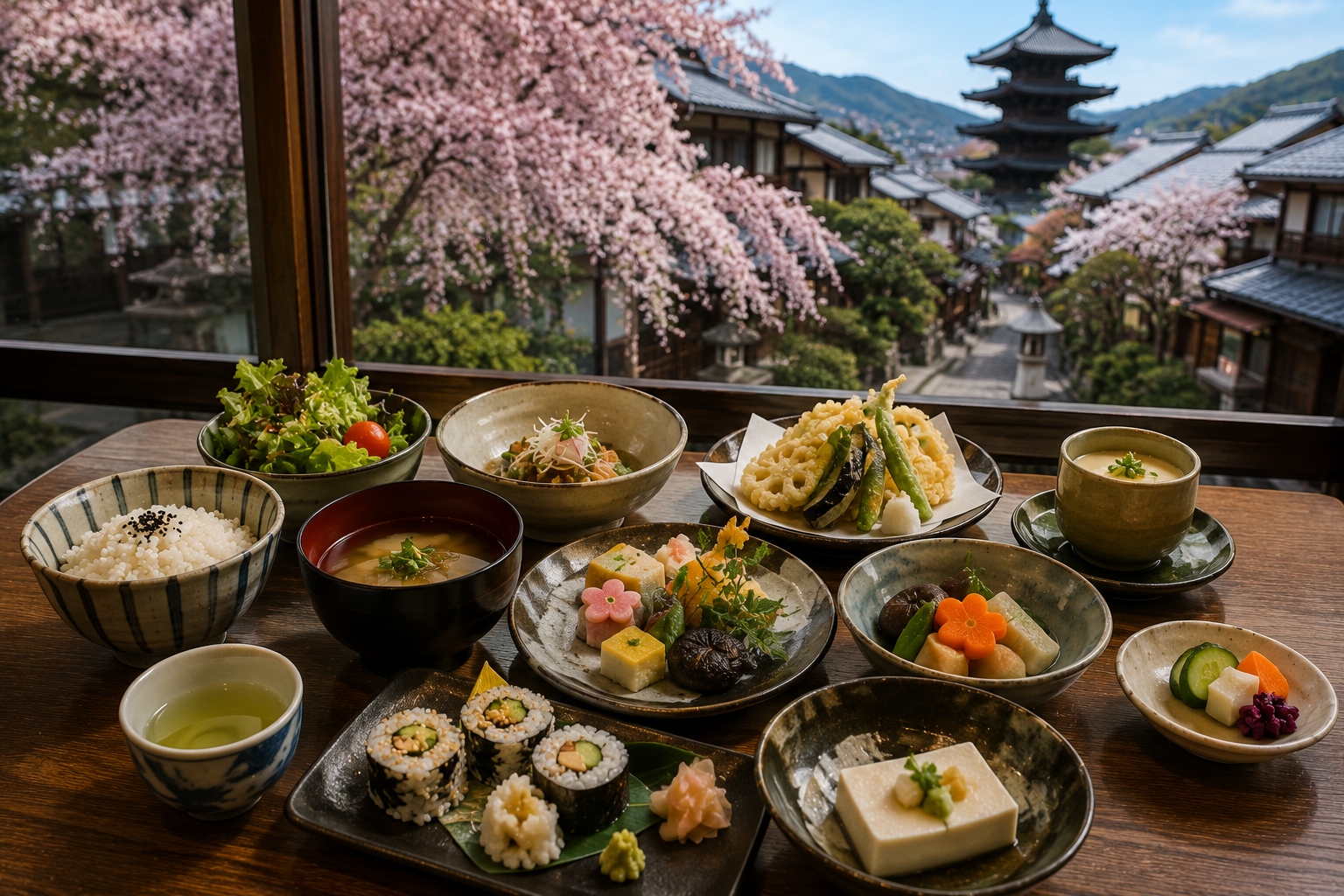
What to Eat?Japan offers a surprising variety of vegetarian-friendly dishes when you know what to look for. Must-Try Options
Where to EatTemple TownsHistoric destinations such as *Koyasan* offer authentic Shojin Ryori prepared by Buddhist temples, providing both a cultural and culinary experience. Major CitiesTokyo, Kyoto, Osaka, and Yokohama now feature an increasing number of vegetarian cafés, health-food restaurants, and international dining options. Department store food halls (depachika) are also excellent places to discover fresh vegetarian meals. Recommended Indian RestaurantsSometimes, after days of exploring local cuisine, nothing compares to familiar flavours from home. Tokyo
Kyoto
Yokohama
Hiroshima
These restaurants are especially popular among Indian travellers and often cater to vegetarian and Jain dietary preferences. Helpful Digital ToolsBefore leaving India, install these useful apps:
A Perfect Vegetarian Day in KyotoBreakfastFresh tofu, steamed rice, miso soup (confirm it is vegetarian), and traditional green tea. LunchA beautifully presented Shojin Ryori meal at a temple restaurant. AfternoonEnjoy authentic matcha with traditional Japanese sweets. DinnerChoose between a comforting bowl of vegetarian ramen or authentic Indian cuisine after a day of sightseeing. A Special Note for Vegan & Jain TravellersJapan is becoming increasingly accommodating, but always confirm whether dishes contain:
Never hesitate to ask questions—Japanese hospitality is known for its willingness to help visitors. The Adler InsightTravelling isnt just about seeing new places—its about experiencing them comfortably and confidently. For Indian vegetarians, Japan may seem intimidating at first, but with the right preparation, it becomes one of the worlds most rewarding culinary destinations. From centuries-old Buddhist cuisine to authentic Indian restaurants tucked away in bustling cities, Japan offers far more choices than many travellers expect. At Adler Tours & Safaris, we believe every journey should be tailored to the traveller—not the other way around. Whether you require vegetarian, vegan, or Jain-friendly arrangements, thoughtful planning ensures you spend less time worrying about meals and more time discovering the extraordinary. Next in The Adler Explorer Series-> Beyond the Beaten Path – Episode 02 |
| Share this tour package: |
|
||||||||||||||
 |
||||||||||||||
|
||||||||||||||
|


